Privacy choices

Recommended

Allow private insights so InnerVoice can learn what helps you progress and show more of it.

Free Shipping On Orders EUR 25+|International Shipping|Choose Favorite Carrier|We ship in 2 business days|30 Day Free Return Guarantee|Free Shipping On Orders EUR 25+|International Shipping|Choose Favorite Carrier|We ship in 2 business days|30 Day Free Return Guarantee|
InnerVoice
THE INNERVOICE WIKI

A little understanding. A different perspective.

Explore your mind, get to know your inner voice, and make room for a new way of looking at everyday life.

Previous page
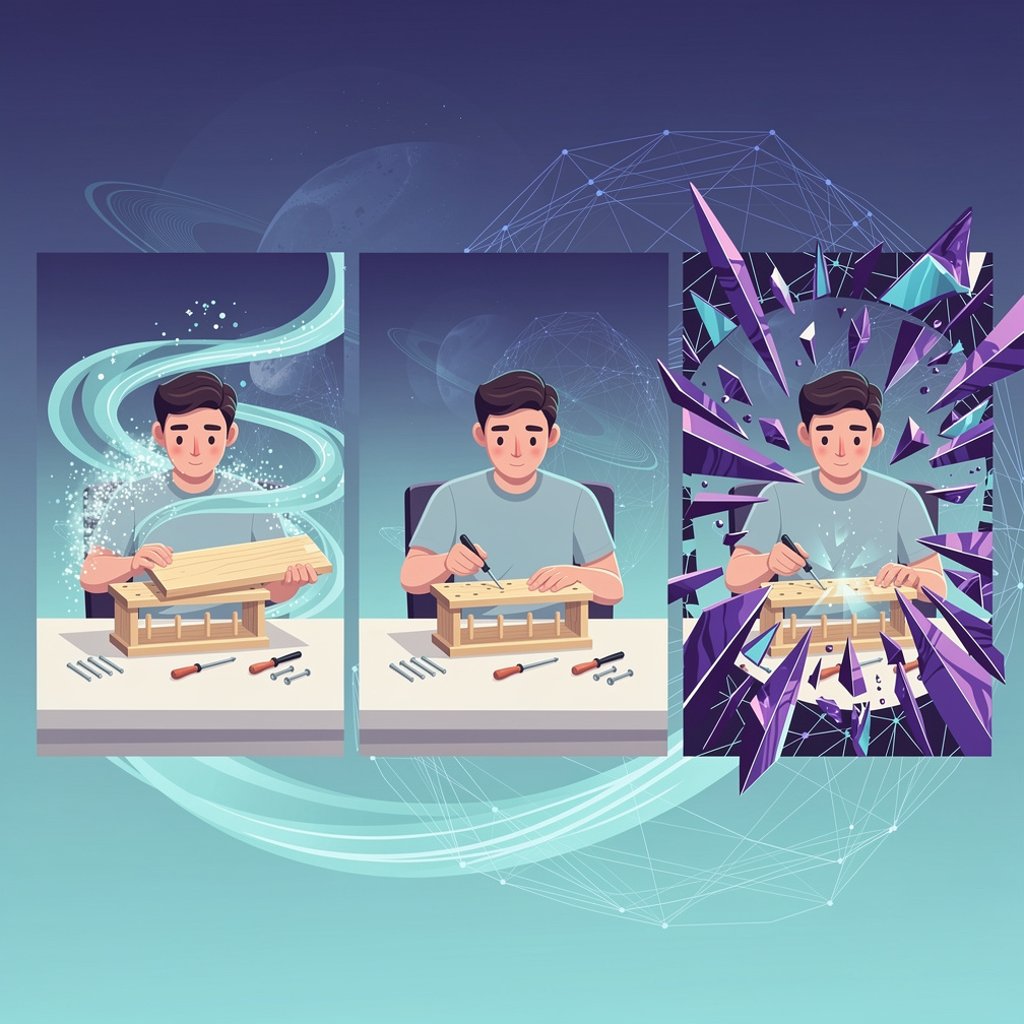
Illustration: Why does everything feel like success or failure with nothing in between?Inner Voice
5 min read

Why does everything feel like success or failure with nothing in between?

Everything can feel like success or failure when black-and-white thinking turns mixed results into total judgments. The missing middle includes partial progress, real mistakes, useful feedback and work still in progress. InnerVoice invites you to balance the caution of the Voice of Insecurity with the confidence of the Voice of Security, so you can judge what happened without making it a verdict on your worth.

Explore the topic
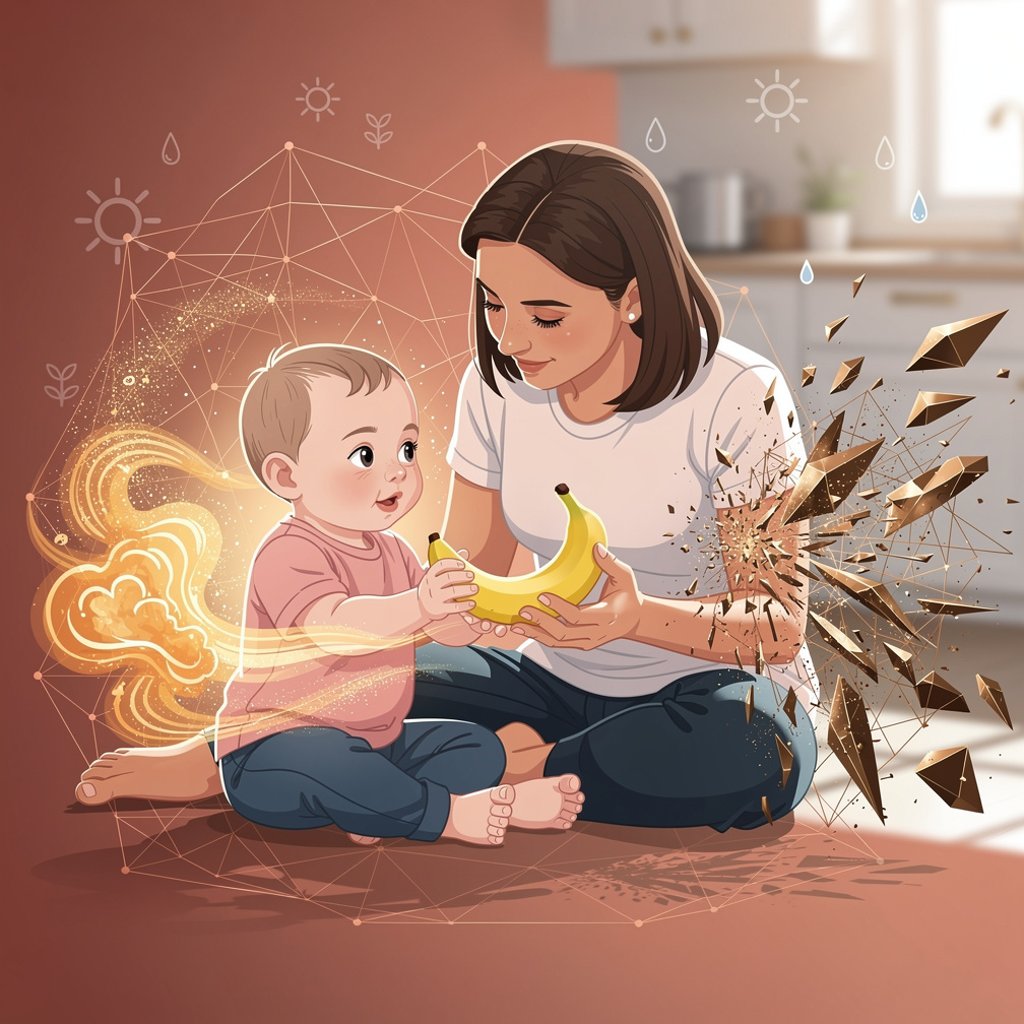
Illustration: How does InnerVoice connect the rise of language with inner dialogue?Your Brain
5 min read

How does InnerVoice connect the rise of language with inner dialogue?

InnerVoice proposes that language used between people also becomes a tool for talking to yourself. Learned encouragement, warnings and judgments help shape this internal dialogue, which the framework interprets through the Voice of Security and Voice of Insecurity. This origin account connects with developmental theories of inner speech, but it is not a verified history of language evolution or proof of a literal two-voice split.

Explore the topic

Illustration: Why does InnerVoice describe love and happiness as outcomes?Core Concepts
5 min read

Why does InnerVoice describe love and happiness as outcomes?

InnerVoice proposes that love and happiness arise from the underlying balance between the Voice of Security and Voice of Insecurity. Its stronger claim is that only a balanced inner voice can experience and give love. Paper 1 offers reasoning for this view, not empirical proof. The claim would be challenged by clear examples of love without independently measured balance, or repeated failures of its predicted relationships.

Explore the topic

241–262 / 262